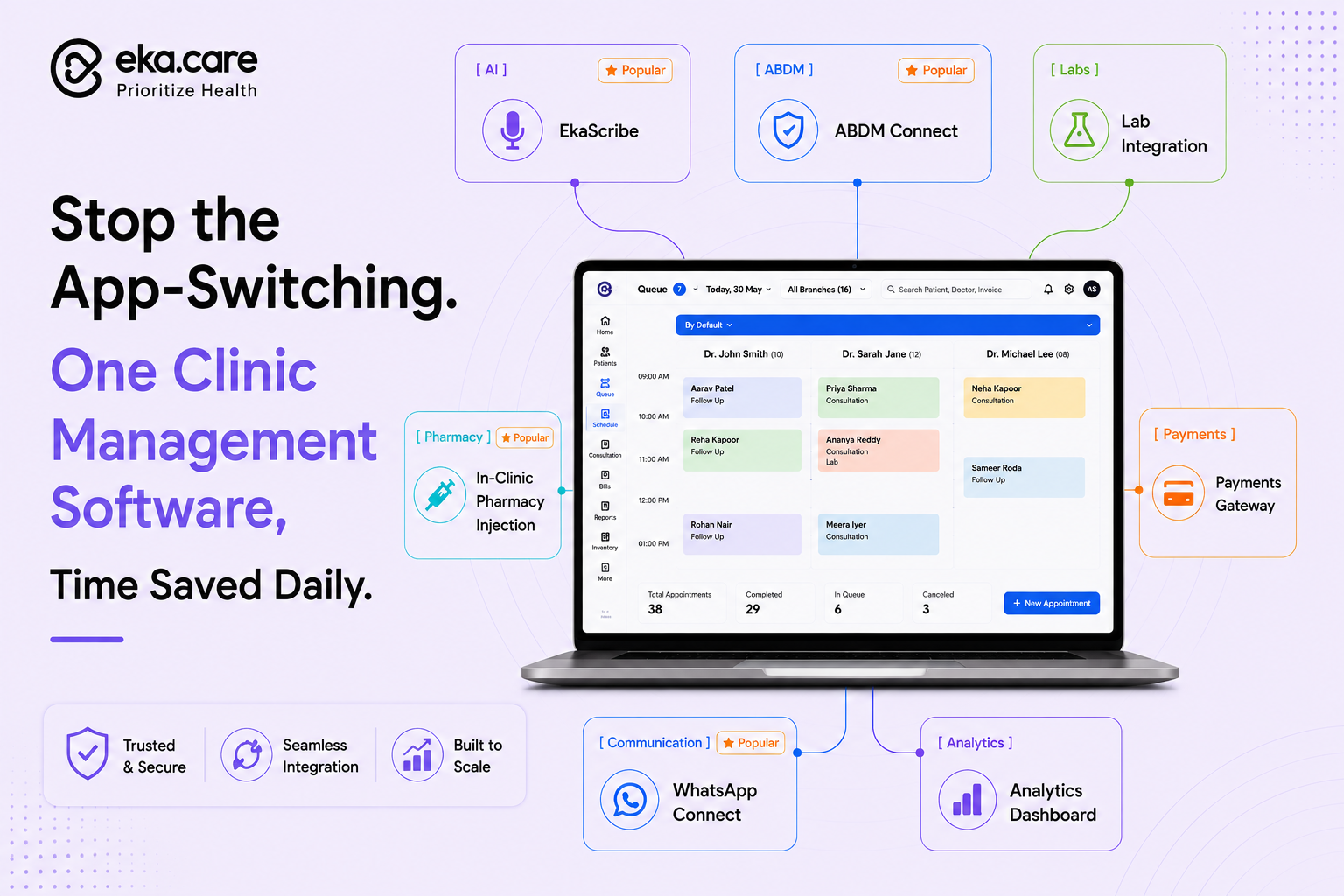
.jpg)
One of the biggest myths about ABDM compliance is that it requires changing your existing EMR. As a result, many healthcare providers expect months of integration work, engineering effort, and workflow disruptions before they can meet ABDM requirements. The truth is, achieving ABDM compliance can be far simpler than most organizations imagine.
The reality is much simpler. Today, healthcare organizations can enable ABDM workflows on top of their existing EMR systems without even changing their software or investing in lengthy development projects. With the right approach, hospitals, clinics, and healthcare providers can become ABDM-ready while continuing to use the systems they already trust.
ABDM compliance involves implementing multiple capabilities, including:
For many healthcare companies, these requirements change into months of development work, coordination between technical teams, repeated testing, and ongoing support. This may slow down adoption, especially for organizations that already have a functional EMR and don't want to disrupt their existing workflows.
As a result, many providers delay their ABDM journey, not just to see the value, but because the implementation seems too complex.
Instead of rebuilding existing systems, healthcare providers can now enable ABDM capabilities through a browser extension that works alongside their current EMR.
This approach removes the need for complex integrations while delivering complete coverage across all key ABDM milestones.
The browser extension supports:
The result is a seamless way to bring ABDM functionality into existing clinical workflows with minimal implementation effort.
Healthcare teams continue working in the same EMR they use every day, while browser extension adds the required ABDM capabilities in the background.
One of the biggest barriers to ABDM adoption has been the perceived need for extensive engineering work.
By eliminating the requirement for custom integrations, healthcare organizations can:
This means providers may focus on delivering better patient care instead of managing complex technology projects.
Implementation is only one part of becoming ABDM-ready. Healthcare organizations also need guidance through onboarding, configuration, testing, and compliance.
That's where a centralised management platform makes a major difference.
With Eka Console ABDM Connect, organizations can access everything they need for ABDM implementation from a single place, including:
Rather than relying on repeated manual assistance, healthcare providers can self-serve much of the implementation process, making onboarding faster and more efficient.
India's healthcare ecosystem is becoming increasingly connected, with interoperability playing a central role in delivering better patient experiences. As digital health initiatives continue to evolve, ABDM compliance is becoming an important foundation for healthcare organizations of every size.
The good news is that compliance no longer has to come at cost of replacing existing systems or investing in large-scale engineering projects.
By using solutions that work with current EMRs, healthcare providers can quickly enable ABHA creation, medical record sharing, and consent management while preserving the workflows their teams already know.
Achieving ABDM compliance doesn't have to involve replacing your existing EMR or taking on a lengthy integration project.
The future of digital healthcare is built on security and interoperability, but getting there should be simple. By choosing solutions that integrate with your existing systems, you can meet ABDM requirements faster, reduce implementation effort, and focus on what matters most: delivering better care to patients.

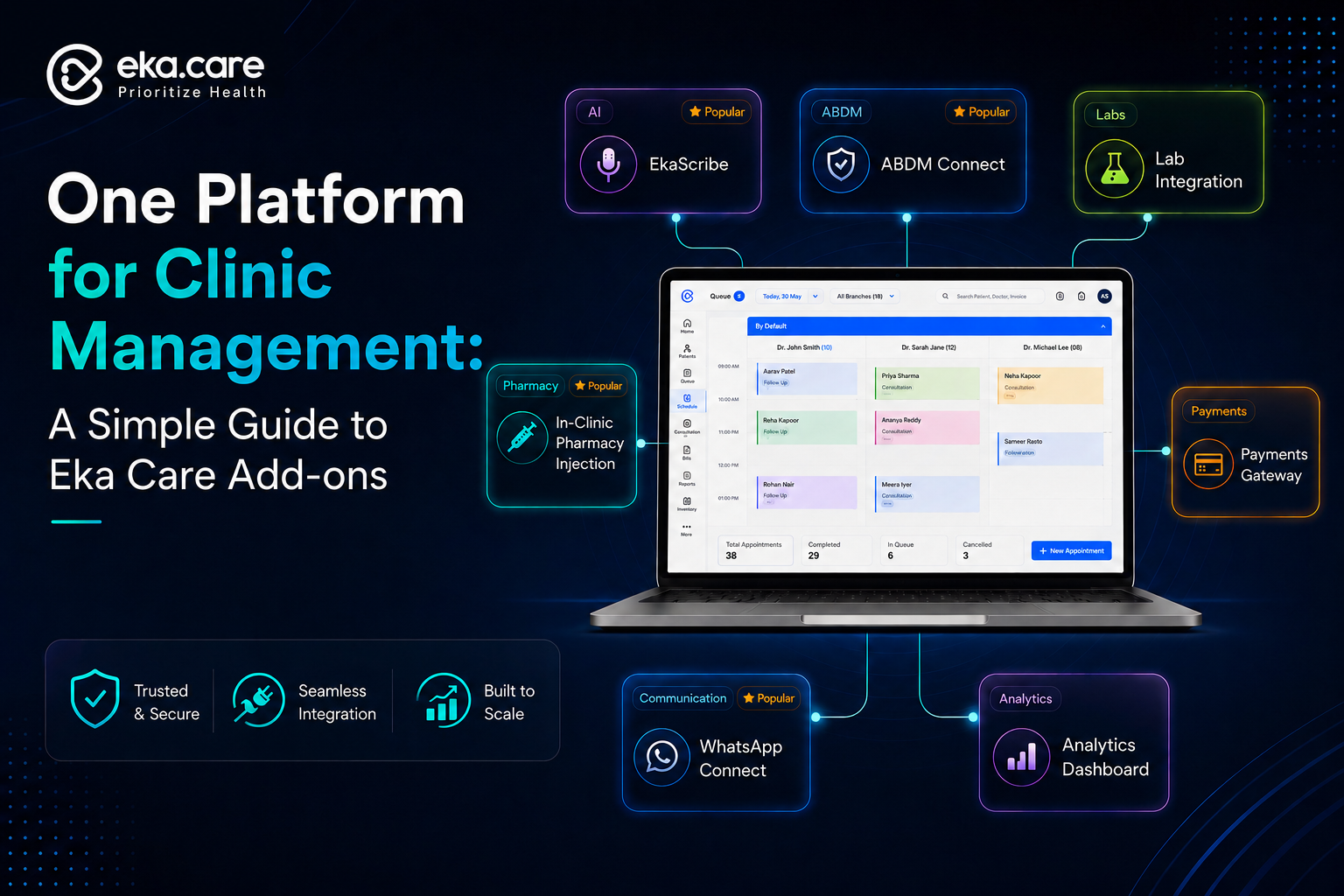
.jpg)